What are the Six Types of Working Genius?
Why do some parts of your work energise you while others leave you exhausted?
Have you ever noticed that there are certain parts of your work that seem to give you energy, while other tasks leave you feeling drained—even if you're perfectly capable of doing them?
Many people assume this is simply part of working life. We often believe that if we're good at something, we should enjoy doing it. But those two things are not always the same.
This is one of the central insights behind The Six Types of Working Genius, developed by Patrick Lencioni and the Table Group.
Working Genius is not primarily a personality assessment. Nor is it another strengths profile. Instead, it provides a practical framework for understanding the different kinds of work that every project requires and identifies the types of work that naturally energise you, those you can do competently, and those that consistently drain you.
For individuals, this often explains why some days feel deeply satisfying while others leave us exhausted. For teams, it creates a shared language that helps people appreciate one another's different contributions and collaborate more effectively.
More than a personality profile
One of the things that makes Working Genius different from many other workplace assessments is its focus on work itself.
Rather than describing your personality, communication style or preferences, Working Genius explores how work moves from an idea to successful completion.
Patrick Lencioni suggests that every meaningful project moves through six distinct stages. Each stage is essential. When one stage is missing—or when the wrong people are carrying too much of a particular type of work—individuals become frustrated and teams lose momentum.
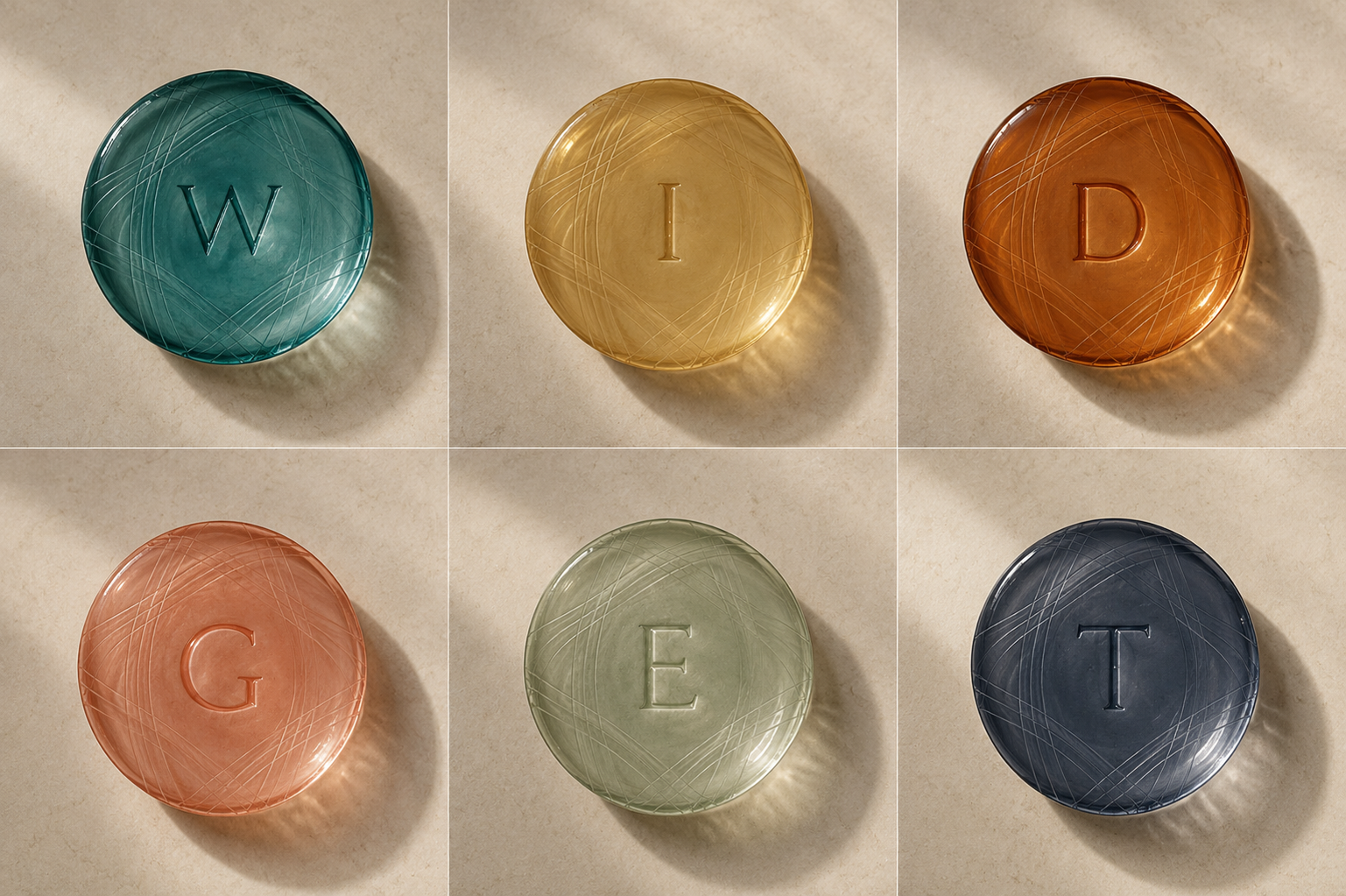
The six types of Working Genius
-
![]()
Wonder (W)
Wonder notices that something could be better.
People with the Genius of Wonder are naturally curious. They ask thoughtful questions, identify opportunities for improvement and rarely accept "the way we've always done it" without reflection.
They create movement by asking:
"Could there be a better way?"
-
![]()
Invention (I)
Invention creates new ideas.
After Wonder identifies a possibility, Invention generates creative solutions. These people enjoy brainstorming, imagining possibilities and developing fresh approaches to problems.
They ask:
"What could we create?"
-
![]()
Discernment (D)
Discernment evaluates what is most likely to work.
People with Discernment have strong intuition and judgement. They can often recognise which ideas have genuine potential and which should be left behind.
They naturally ask:
"Which option is best?"
-
![]()
Galvanising (G)
Galvanising inspires people to take action.
Once a direction has been chosen, someone needs to communicate the vision and encourage others to become involved.
People with Galvanising bring energy, momentum and commitment.
They ask:
"Who's ready to make this happen?"
-
![]()
Enablement (E)
Enablement supports others.
These people love helping.
Rather than needing to lead every project, they find genuine satisfaction in assisting others, removing obstacles and ensuring people have what they need to succeed.
They ask:
"How can I help?"
-
![]()
Tenacity (T)
Tenacity finishes the work.
Ideas only become reality when someone ensures they are completed.
People with Tenacity naturally enjoy tracking progress, following through on commitments and making sure projects achieve their intended outcomes.
They ask:
"What still needs to be done?"





Every type matters
One of the greatest strengths of the Working Genius model is that none of the six types is more important than another.
Organisations often celebrate visionaries while overlooking those who faithfully implement and complete the work.
Working Genius reminds us that every stage contributes something essential.
Without Wonder, teams become complacent.
Without Invention, there are no fresh ideas.
Without Discernment, poor ideas move forward.
Without Galvanising, nothing gains momentum.
Without Enablement, people feel unsupported.
Without Tenacity, great ideas remain unfinished.
It's about energy, not ability
Perhaps the most liberating insight of Working Genius is this:
Being good at something doesn't necessarily mean it gives you energy.
Many people spend years doing work they are highly competent at but find emotionally exhausting.
Working Genius helps explain why.
The framework identifies:
Working Geniuses — the two kinds of work that naturally energise you.
Working Competencies — the two kinds of work you can do well but which don't necessarily energise you.
Working Frustrations — the two kinds of work that consistently drain your energy and are difficult to sustain over time.
Continue exploring the Six Types
Every Working Genius deserves its own conversation.
Over the following pages, you'll find a deeper exploration of each Genius, including:
What each Genius contributes
Common misconceptions
Strengths and blind spots
Reflective questions for leaders
Ministry and workplace examples
How each Genius can flourish in healthy teams
Working Genius and Burnout
Whether you're exploring Working Genius for yourself, your team or your organisation, my hope is that these resources help you better understand the work that brings you energy—and how that understanding can contribute to healthier leadership, stronger teams and greater vocational resilience.